


Understanding the psychological effects of gambling on decision-making processes
The Nature of Gambling and Decision-Making
Gambling inherently involves risk, and every decision made by a player can have significant consequences. The thrill of placing bets creates an adrenaline rush that can cloud judgment. This rush often leads to overestimating one’s chances of winning, which can skew rational decision-making. Players may ignore the actual odds and probabilities, opting instead for a gut feeling or past experiences, a phenomenon known as the gambler’s fallacy. In platforms like hellspins, the excitement is palpable, attracting players into this complex decision-making environment.

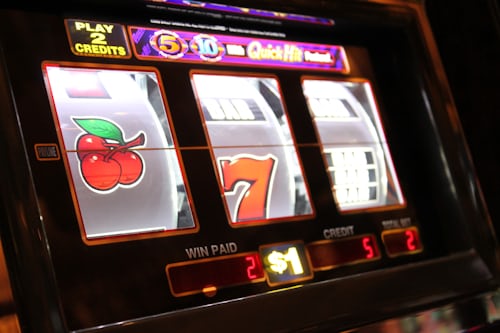
Moreover, the environment in which gambling occurs can further influence decision-making. Bright lights, engaging sounds, and the overall atmosphere of casinos, whether physical or online, are designed to captivate players and enhance the excitement. This sensory overload can hinder the ability to think critically and make sound decisions. Players may find themselves caught up in the moment, leading to impulsive actions that are often regretted later.
Understanding how the brain reacts to gambling stimuli can also illuminate the decision-making process. The release of dopamine during a win or even a near-miss can lead to a false sense of confidence. Players may continue to gamble, believing they are on the brink of a big win, thus perpetuating a cycle of risky behavior. This cycle can distort reality, making it challenging to recognize when it’s time to stop.
Psychological Triggers in Gambling
Various psychological triggers significantly impact gambling behavior and decision-making. One such trigger is cognitive dissonance, where players experience discomfort from holding conflicting beliefs. For example, a player may rationalize losses as temporary setbacks while believing they will eventually win. This internal conflict can lead to continued gambling, as the player seeks to resolve the dissonance by chasing losses.
Another crucial factor is the illusion of control. Many gamblers believe they can influence outcomes through skill or strategy, even in games of chance. This mindset can lead to overconfidence, resulting in poor decision-making. For instance, a player may persist in betting larger amounts, convinced they can turn their luck around, despite statistical evidence suggesting otherwise.
The power of social influences also plays a pivotal role in shaping gambling decisions. When surrounded by fellow gamblers, individuals may feel pressure to conform to group behaviors, leading to riskier choices. This social dynamic can amplify the excitement of gambling, further clouding judgment and pushing players toward decisions they might not have made in isolation.
The Impact of Emotions on Gambling Decisions
Emotions are powerful drivers of decision-making, particularly in gambling scenarios. Feelings of excitement and euphoria can lead to impulsive decisions that prioritize immediate gratification over long-term consequences. For instance, a player who experiences a winning streak may feel invincible, leading them to place larger bets than they ordinarily would, increasing the likelihood of subsequent losses.
Conversely, negative emotions like stress, frustration, or sadness can also influence gambling decisions. Players seeking an escape may resort to gambling as a coping mechanism, often leading to further losses. This emotional rollercoaster can create a vicious cycle, as the player may gamble more to alleviate their negative feelings, perpetuating a cycle of poor decision-making.
Additionally, understanding the emotional triggers can aid in developing strategies for responsible gambling. By recognizing how emotions influence decisions, players can better manage their gambling behaviors. Techniques such as setting limits, taking breaks, and practicing mindfulness can help players maintain control over their decisions and reduce the risk of falling into harmful gambling patterns.
The Role of Addiction in Gambling Decision-Making
Gambling addiction is a serious issue that drastically alters decision-making processes. For those struggling with this addiction, the compulsive need to gamble supersedes rational thought. Decisions become less about strategy and more about the immediate need to satisfy the urge, often leading to significant financial and personal consequences. Understanding this addiction can provide insights into why certain individuals may continue gambling despite severe negative outcomes.
The psychological mechanisms behind gambling addiction are multifaceted. For instance, the cycle of chasing losses can create a compulsion that is difficult to break. As players continue to gamble, they may experience an escalation in bet sizes, driven by a desperate attempt to recover lost funds. This behavior is often characterized by a distorted perception of control and an inability to recognize the long-term implications of their actions.
Moreover, support systems and treatment options are crucial for individuals facing gambling addiction. Therapy, support groups, and self-exclusion programs can aid in recovery by addressing the underlying psychological issues. By recognizing the compulsive nature of their gambling, individuals can begin to make informed decisions, breaking the cycle and reclaiming their lives.
The Experience of Gambling with Hellspin
At Hellspin Casino, the thrill of gambling is combined with a deep understanding of the psychological aspects involved. Players can engage in a variety of games that not only offer excitement but also provide a platform for responsible gaming. With user-friendly navigation and top-notch security measures, Hellspin promotes a safe and enjoyable gaming experience, helping players make informed decisions.
Furthermore, Hellspin recognizes the importance of mental well-being in gambling. The casino provides resources and support for players to maintain control over their gaming habits. Educational materials on responsible gambling and strategies to manage emotions are readily available, ensuring players are well-equipped to enjoy the experience without falling into unhealthy decision-making patterns.
Ultimately, Hellspin strives to create an engaging environment where players can experience the excitement of gambling while remaining aware of its psychological impacts. By fostering a culture of responsible gaming, Hellspin ensures that players can enjoy their favorite games while making decisions that are informed and mindful.